Can I Get an Infection After a Beard Hair Transplant?
Infections after a beard transplant are rare. Here is how the procedure works, what raises the risk, the warning signs to watch for, and how to prevent problems.
Thinking about a beard hair transplant? It is a great way to achieve the beard you have always wanted. A common question is whether you can get an infection afterwards. It is possible, but infections are rare when you choose a skilled surgeon and follow the aftercare instructions carefully.
What is a beard hair transplant?
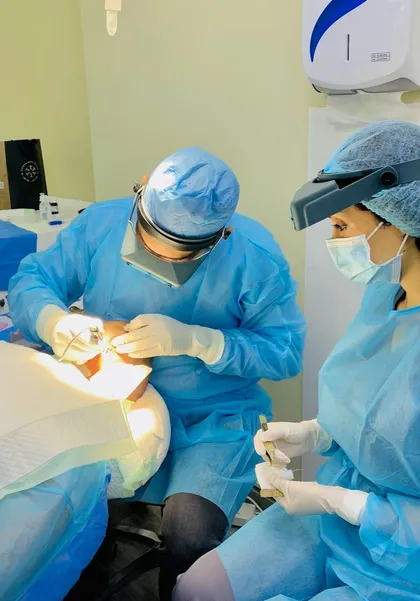
A beard transplant takes hair follicles from a donor area, usually the back of the scalp, and transplants them to the beard. There are two main techniques:
- Follicular Unit Extraction (FUE): individual follicles are extracted and transplanted, leaving tiny, barely visible dot scars and allowing a quicker recovery.
- Follicular Unit Transplantation (FUT): a strip of scalp is removed and its follicles are dissected and transplanted.
FUE is generally preferred for its minimal scarring and faster recovery.
How the procedure works
1. Consultation and planning
Your surgeon assesses your overall health and medical history, examines your beard and scalp to identify the best donor area, and sets realistic expectations for recovery and results.
2. Donor hair harvesting
Follicles are usually taken from the back of the scalp, where growth is denser and more resistant to balding, using FUE or, less commonly, the FUT strip method.
3. Preparing the beard area
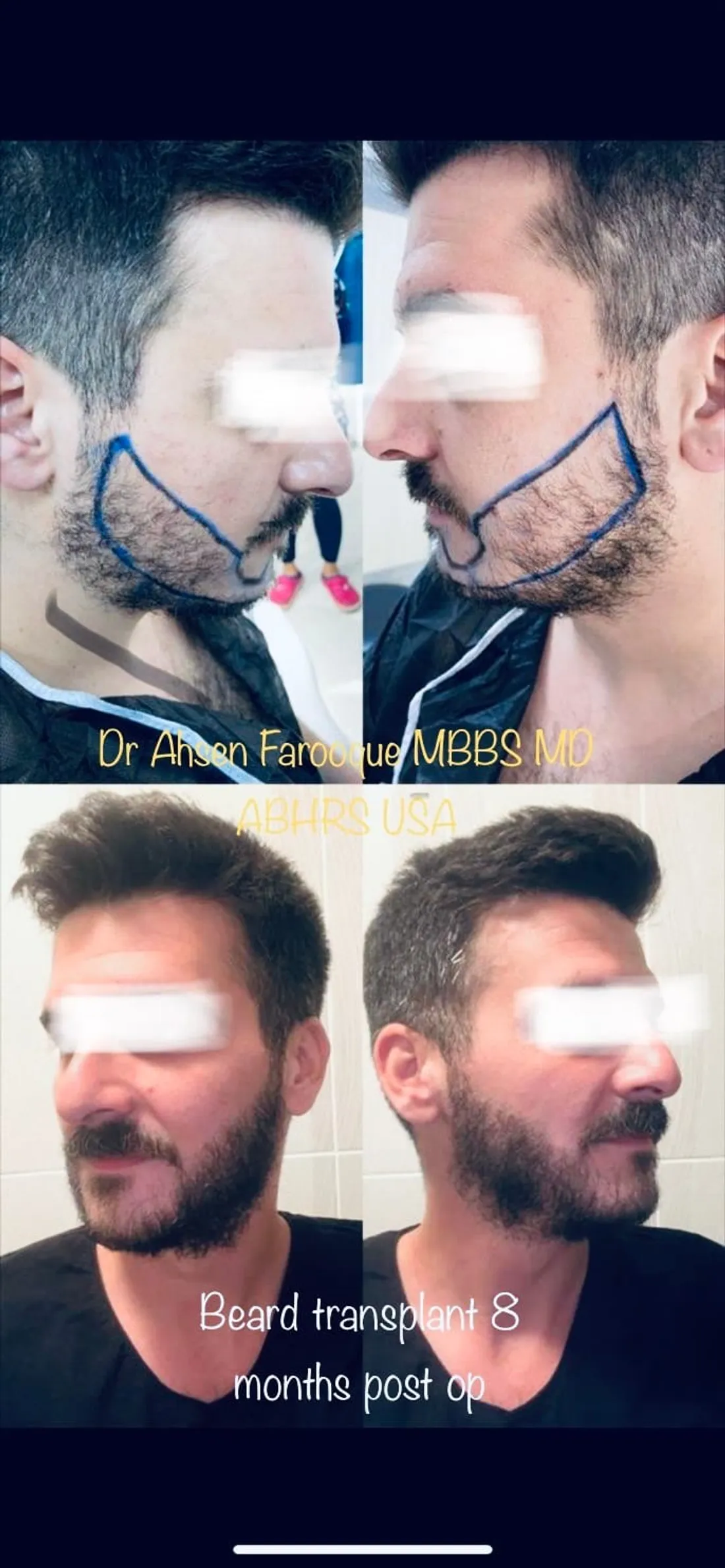
The area is cleaned and disinfected, and the surgeon marks the transplant zone to guide follicle placement and plan the density and shape of the beard.
4. Implantation
Extracted follicles are meticulously implanted into tiny incisions in the beard, following the design and natural growth direction.
5. Recovery and follow up
Careful aftercare and avoiding strenuous activity for the first few weeks are essential for a good result.
Why infections happen
Infections are uncommon but can occur for a few reasons:
- Bacterial contamination: if instruments or the surgical area are not properly sterilised.
- Poor aftercare: not following post operative instructions, scratching the area, or touching it with unclean hands.
Warning signs
Some redness and swelling are normal, but watch for signs that persist or worsen:
- Redness and swelling that increases rather than settles.
- Pain that is severe or getting worse rather than easing.
Preventing infection
- Choose a reputable clinic with good reviews and high standards of hygiene.
- Follow pre operative instructions, which may include pausing certain medications and avoiding smoking and alcohol.
- Follow aftercare carefully: clean the area gently as directed, avoid touching or scratching, and attend all follow up appointments.
If you suspect an infection
Do not panic. Contact your surgeon straight away. They will likely want to examine you and may prescribe antibiotics or other treatment. Follow their advice closely.
Conclusion
Infections after a beard transplant are relatively rare, but they are possible. Understanding the risks and following proper aftercare minimises the chance of problems and supports healthy healing and growth. If you have any concerns, always consult your surgeon.

Written by
Dr Ahsen Farooque
MBBS, MD, ABHRS (USA). Diplomate of the ABHRS (USA), DHI Master Specialist and DHA-licensed hair transplant surgeon in Jumeirah, Dubai.