The Best Hair Transplant Procedures with Dr Ahsen
A complete guide to hair transplant procedures: FUE, FUT, DHI and robotic techniques for scalp, beard, moustache, eyebrows and eyelashes, plus aftercare and recovery.
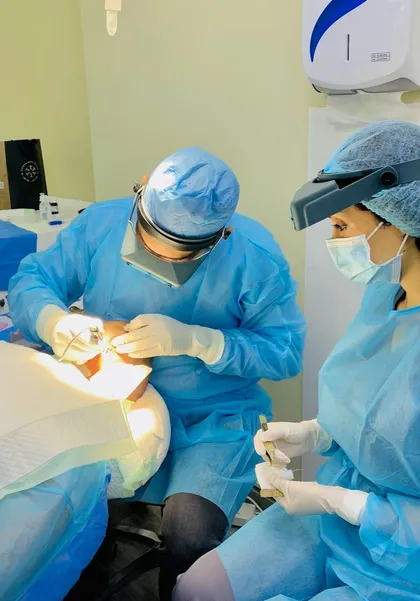
If you are dealing with hair loss, you are far from alone. Millions of people experience it, and modern hair transplants have come a long way. This guide walks through the main procedures Dr Ahsen offers for men and women, covering scalp hair, moustache, beard, eyebrows and eyelashes.
Understanding hair loss
Before choosing a procedure, it helps to understand the type of hair loss you have:
- Male pattern baldness: the most common type in men, with a receding hairline and thinning crown.
- Female pattern hair loss: usually diffuse thinning rather than complete baldness, often around the crown and parting.
- Telogen effluvium: temporary shedding triggered by stress, illness or hormonal change.
- Alopecia areata: an autoimmune condition causing patchy loss on the scalp, eyebrows or elsewhere.
The main procedures
Follicular Unit Extraction (FUE)
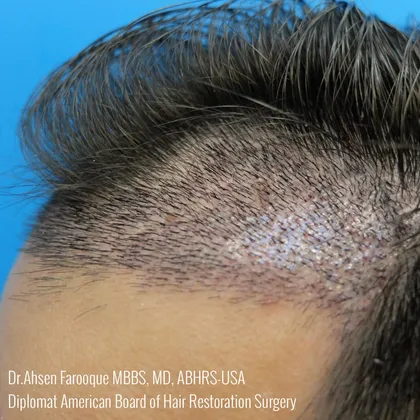
One of the most popular techniques today. Individual follicles are extracted from a donor area (usually the back of the head) and transplanted to thinning or balding areas. FUE offers minimal scarring, quicker recovery and natural results.
Follicular Unit Transplantation (FUT)
Also called strip surgery. A strip of scalp is removed from the donor area and dissected into individual follicular units for transplant. It can yield a high number of grafts in one session, but leaves a fine linear scar.
Direct Hair Implantation (DHI)
DHI combines extraction and implantation into a single step using a Choi implanter pen, allowing very precise placement and natural results with no pre made incisions.
Robotic assisted transplant
Robotic technology can assist in identifying and extracting follicles with speed and precision, supporting the surgeon during the procedure.
Hair transplants for men
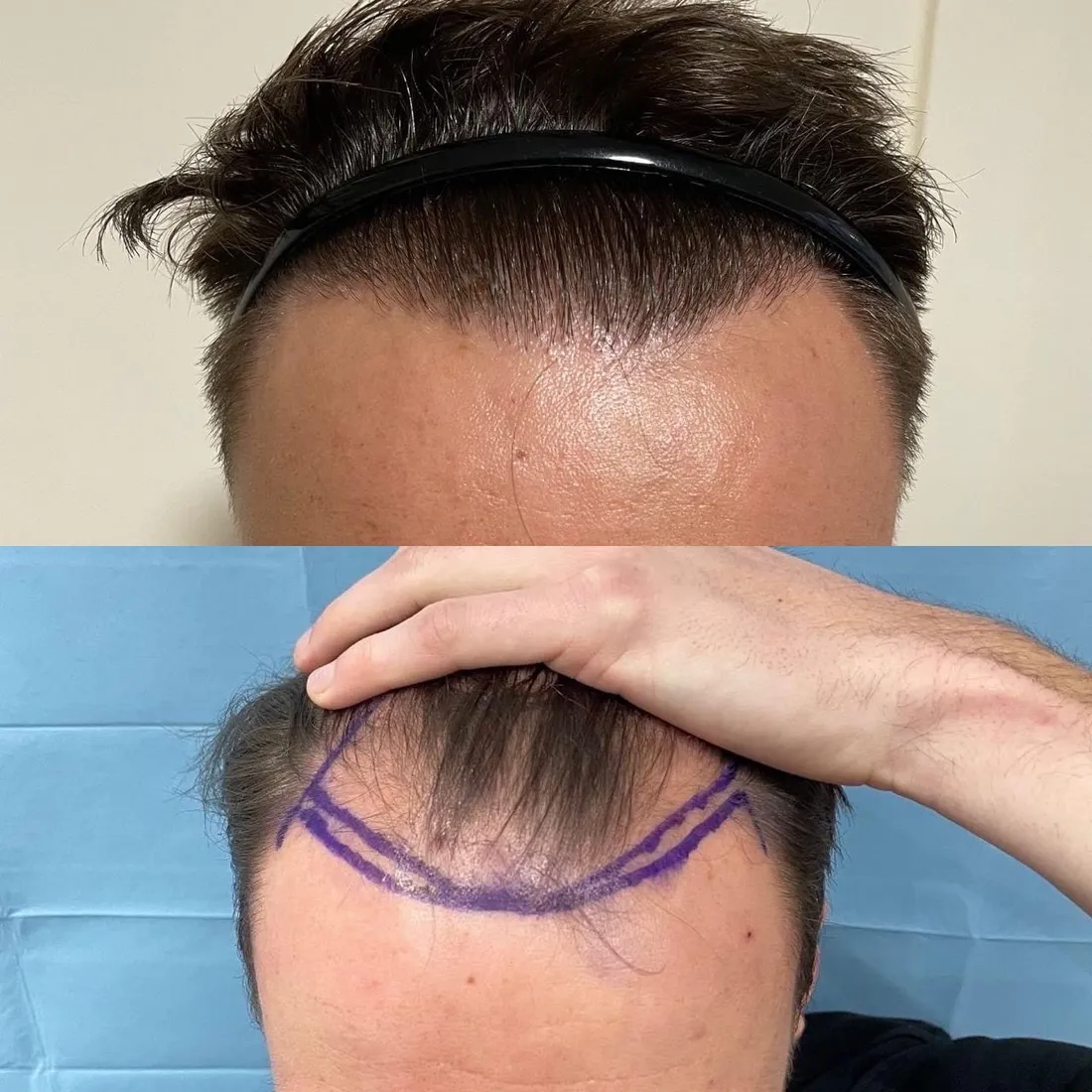
Men most often experience androgenetic alopecia (male pattern baldness). The art of a successful result is designing a natural hairline, taking into account age, facial structure and growth patterns, and placing grafts strategically to achieve even density and coverage.
Moustache and beard transplants
Facial hair plays a big role in a man’s appearance. Beard and moustache transplants take follicles from the donor area and implant them in the facial zone to address patchy or sparse growth, following the natural direction of facial hair.
Hair transplants for women
Women often experience diffuse thinning rather than distinct bald patches. The approach is to distribute grafts evenly to boost overall volume and thickness, using methods that blend seamlessly with existing hair to keep the result natural.
Eyebrow and eyelash transplants
Using the FUE method, individual follicles are transplanted to the brow or lash line at the correct angle and direction. This offers a permanent solution for thin or sparse brows and lashes caused by over plucking, genetics or medical conditions, and requires careful design to complement the face.
Aftercare and recovery
Good aftercare protects your result. General guidance includes:
- Manage swelling: keep your head elevated for the first few nights and use cold compresses as directed.
- Rest: avoid strenuous activity and bending over for the first few days to prevent pressure on the grafts.
- Washing: usually wait 48 to 72 hours before gently washing, following your surgeon’s method.
- Do not scratch: never pick at the transplant site.
- Protect from sun: shield your scalp from direct sunlight for the first few months.
- Eat and hydrate well: a balanced diet rich in biotin, zinc, iron and vitamins A, C, D and E supports growth.
Initial growth is usually visible within 3 to 4 months, with full results typically seen between 12 and 18 months.
Choosing your surgeon
The single most important decision is who performs your procedure. Look for genuine expertise and experience, a patient centred approach that takes time to understand your goals, and up to date techniques. Dr Ahsen performs every step himself, from hairline design to the final graft. To explore your options, book a consultation.
Written by
Dr Ahsen Farooque
MBBS, MD, ABHRS (USA). Diplomate of the ABHRS (USA), DHI Master Specialist and DHA-licensed hair transplant surgeon in Jumeirah, Dubai.